
Pain in the Brain

How the same brain regions that process pain also shape our moods, thoughts, and emotional well-being
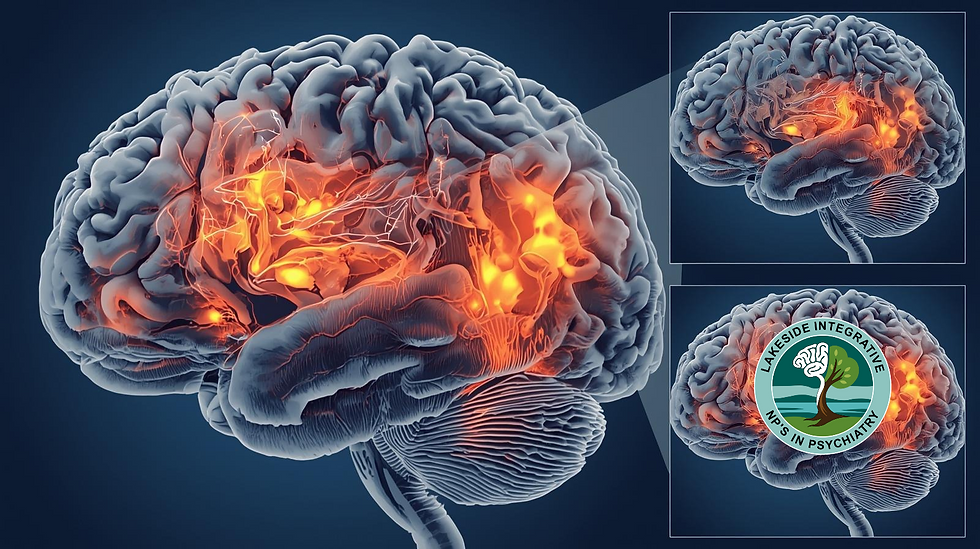
Pain is never just a physical sensation. It’s a deeply personal and emotional experience shaped by the brain’s intricate networks. When we stub a toe, suffer from chronic back pain, or experience emotional loss, our brains respond through many of the same pathways.
That’s why effective pain management in psychiatry requires more than medication — it requires an understanding of how the brain’s pain centers overlap with the regions that regulate mood, emotion, and thought.
Let’s take a closer look at the key areas of the brain involved in pain — and how they influence both physical pain and mental health symptoms.
⚙️ 1. The Thalamus — The Brain’s Relay Station
The thalamus acts as a hub, receiving pain signals from the spinal cord and sending them to other brain regions for processing. It helps the body prioritize pain — deciding whether something is urgent or can be ignored.
In psychiatry: When the thalamus becomes overactive due to chronic pain, it can keep the brain in a constant state of “alert.” This hyperactivity is linked to insomnia, anxiety, irritability, and even depressive symptoms. Over time, the constant relay of pain signals can exhaust the brain’s emotional centers, leading to fatigue and low mood.
🧩 2. Somatosensory Cortex — Locating the Pain
The somatosensory cortex, located in the parietal lobe, helps identify where pain is coming from and how intense it feels.
In psychiatry: This region doesn’t directly cause emotional distress but plays a big role in body awareness. People with chronic pain often develop hypervigilance to bodily sensations — a state that can overlap with anxiety disorders or somatic symptom disorders, where normal sensations feel amplified or alarming.
💔 3. Anterior Cingulate Cortex (ACC) — The Emotional Pain Center
The ACC translates the physical experience of pain into the emotional one — the suffering or distress we feel.
In psychiatry: The ACC is a major player in depression, anxiety, and trauma. Overactivity here can heighten emotional pain, while underactivity is linked to emotional numbness and difficulty connecting with feelings. Treatments such as ketamine therapy, mindfulness-based interventions, and psychotherapy help modulate ACC activity, reducing both emotional and physical suffering.
🌊 4. Insular Cortex (Insula) — The Internal Awareness Center
The insula connects the body and mind, integrating sensory input with emotional and cognitive responses. It helps you become aware of how pain feels and where it’s coming from.
In psychiatry: The insula is deeply involved in anxiety, panic, and emotional regulation. Heightened insular activity is often seen in people with chronic pain, PTSD, or generalized anxiety disorder. When the insula constantly signals “something’s wrong,” the body stays on alert, perpetuating the cycle of pain and anxiety.
💡 5. Prefrontal Cortex — The Regulator and Decision-Maker
The prefrontal cortex (PFC) helps the brain interpret and control pain by using logic, attention, and emotion regulation. It plays a key role in coping mechanisms — allowing you to reframe or distract from pain sensations.
In psychiatry: The PFC is heavily involved in depression, ADHD, and anxiety disorders. When underactive, people may experience difficulty focusing, reduced motivation, and negative thought loops. Strengthening PFC function through therapy, mindfulness, cognitive-behavioral techniques, and certain medications can improve both pain tolerance and emotional balance.
💬 6. Amygdala and Limbic System — The Fear and Memory Network
The amygdala, part of the limbic system, processes the fear and emotional memory associated with pain. It helps you remember dangerous situations — useful for survival, but problematic when pain becomes chronic.
In psychiatry: An overactive amygdala can keep the body locked in a fight-or-flight state, heightening pain sensitivity and emotional reactivity. This is common in PTSD, panic disorder, and chronic pain syndromes. Therapies that calm the amygdala, such as trauma-informed psychotherapy, EMDR, mindfulness, and ketamine-assisted therapy, can help break this cycle.
🔄 7. Periaqueductal Gray (PAG) — The Brain’s Pain Gatekeeper
Located in the midbrain, the periaqueductal gray helps regulate the body’s pain response. It activates natural pain-relieving chemicals like endorphins and serotonin, signaling the spinal cord to dampen pain signals.
In psychiatry: The PAG connects closely with mood and stress systems. Low endorphin or serotonin activity here can make both pain and depression worse. Many antidepressants and integrative therapies indirectly boost PAG function, helping reduce both physical discomfort and emotional distress.
🌿 The Takeaway: Pain and Emotion Are One System
The same brain circuits that register physical pain also process emotional suffering. That’s why conditions like depression, trauma, and anxiety so often overlap with chronic pain — and why treating one can help relieve the other.
By understanding the brain’s pain pathways, psychiatric providers can target both sides of this equation — offering medication management, therapy, lifestyle interventions, and integrative treatments that rebalance the brain and body together.
💙 At Lakeside Integrative NPs in Psychiatry
We believe in a holistic approach to pain management — addressing the emotional, biological, and neurological aspects of pain. Our treatment plans may include:
Medication management (including SNRIs, anticonvulsants, and ketamine-assisted therapy)
Therapy modalities focused on pain regulation (CBT, ACT, mindfulness-based approaches)
Integrative support such as nutritional counseling, sleep hygiene, and stress management
Collaborative care with medical and holistic providers
“Pain and emotion share the same language in the brain — and both deserve compassion, understanding, and evidence-based care.” 🌊


Comments