
Naturally Increase GLP-1 Without a Prescription
- Faith Carini-Graves
- Oct 31, 2025
- 3 min read

Nutrition is the cornerstone of health- including mental health.
Many people struggle with weight management, cravings, and restrictive-binging eating behaviors—often worsened by processed foods, additives, sugars, and the "American diet".
Recently, glucagon-like peptide-1 (GLP-1) agonists have emerged as a major advance in treating obesity and type 2 diabetes. These medications mimic the natural GLP-1 hormone, leading to increased insulin secretion, reduced glucagon, delayed gastric emptying, and greater satiety. The result: improved blood sugar control and significant, sustained weight loss, with clinical trials showing average reductions of 5–18% in body weight for people with obesity or overweight.
GLP-1 agonists not only help with weight loss but also reduce cravings and emotional eating, likely by acting on brain pathways that regulate reward and appetite. Recent meta-analyses show that people taking GLP-1 agonists report improved eating restraint, reduced emotional eating, and better quality of life—without increased risk of psychiatric side effects. These effects make GLP-1 agonists especially promising for those who struggle with addictive eating patterns.
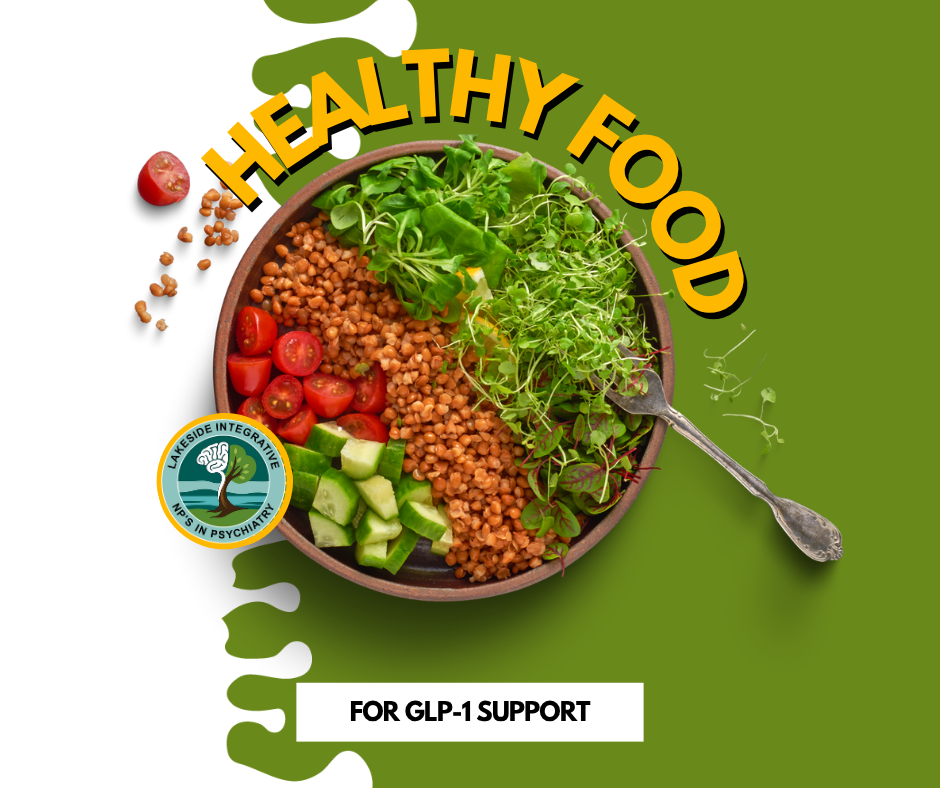
If you’re considering or already using GLP-1 therapy, nutritional priorities are essential. Because these medications often reduce appetite and calorie intake, it’s important to focus on nutrient-dense, minimally processed foods—fruits, vegetables, whole grains, lean proteins, nuts, and seeds—while minimizing refined carbs, sugary drinks, and ultra processed snacks. Regular, small meals and attention to protein intake help prevent muscle loss and nutrient deficiencies, which can occur with rapid weight loss. Below is some information that may be useful:
💉 GLP-1 Medications
Mechanism: Mimic the natural hormone GLP-1 → increase insulin release (when glucose is high), suppress glucagon, slow gastric emptying, reduce appetite.
Main effects: Lower blood sugar, promote weight loss, slow stomach emptying, improve satiety.
Short-acting injectables: Work mainly on post-meal glucose; strong effect on gastric emptying (e.g., exenatide, lixisenatide).
Long-acting injectables: Last 1–7 days; target fasting and post-meal glucose; effect on gastric emptying lessens over time (e.g., liraglutide, dulaglutide, semaglutide).
Oral GLP-1 agonists: Daily tablet form (e.g., oral semaglutide) with similar effects to injectables; acts systemically after absorption enhancer.
Results: Clinically proven to improve glucose control and cause significant, sustained weight loss. There are also combination medications coming out as well (GLP-1/GIP combinations such as tirzepatide).
🌿 Supplements Marketed as “GLP-1-Like”
Mechanism claims: Boost the body’s natural GLP-1 release, slow digestion, or mimic satiety signals.
Common ingredients marketed this way:
Berberine — herbal compound touted as “nature’s Ozempic”; may help glucose and lipid metabolism but doesn’t act on GLP-1 receptors.
Soluble fiber / glucomannan / psyllium — slow digestion and may modestly stimulate GLP-1 release.
Resistant starch & prebiotics / probiotics — may support gut-derived GLP-1 secretion.
Plant extracts (green tea EGCG, bitter melon, curcumin, yerba mate) — early evidence of mild appetite or glucose benefits.
Effect size: Much weaker and less consistent than prescription GLP-1 drugs.
Evidence quality: Limited; most claims rely on small or preliminary studies.
Regulation: Supplements are not FDA-approved for efficacy or safety before sale.
🧩 Key Takeaways
GLP-1 medications: Clinically proven, potent drugs that directly activate GLP-1 receptors → strong effects on appetite, weight, and blood sugar.
“GLP-1-like” supplements: Over-the-counter products that may influence metabolism indirectly but don’t mimic GLP-1 pharmacology.
Practical difference: Drugs = targeted, receptor-specific therapy; supplements = mild, nonspecific support at best (helpful for a more natural approach).
Caution: Supplements are unregulated, may interact with medications, and rarely reproduce the intense GLP-1 agonist effects seen with prescriptions. However, they are a more sustainable and maintainable approach. Holistically, the best way to incorporate these supplements into your lifestyle is to eat them in the foods they come in. Eat more fiber, consider teas for various herbs, and foods with probiotics such as cheeses and yogurt.
In summary, GLP-1 agonists are transforming obesity and diabetes care, but integrating healthy nutrition and lifestyle habits remains critical for long-term success and well-being.


Comments